The Elite Status Qualification Calendar: When Every Major Programme’s Clock Resets
When does each airline and hotel programme’s qualification year reset? A 2026 reference covering calendar-year, April–March, personal-perio…
Read article →Independent Miles Mosaic guide. No programme partnerships, no account linking, no scraped balances. Sources cited below; corrections welcomed.
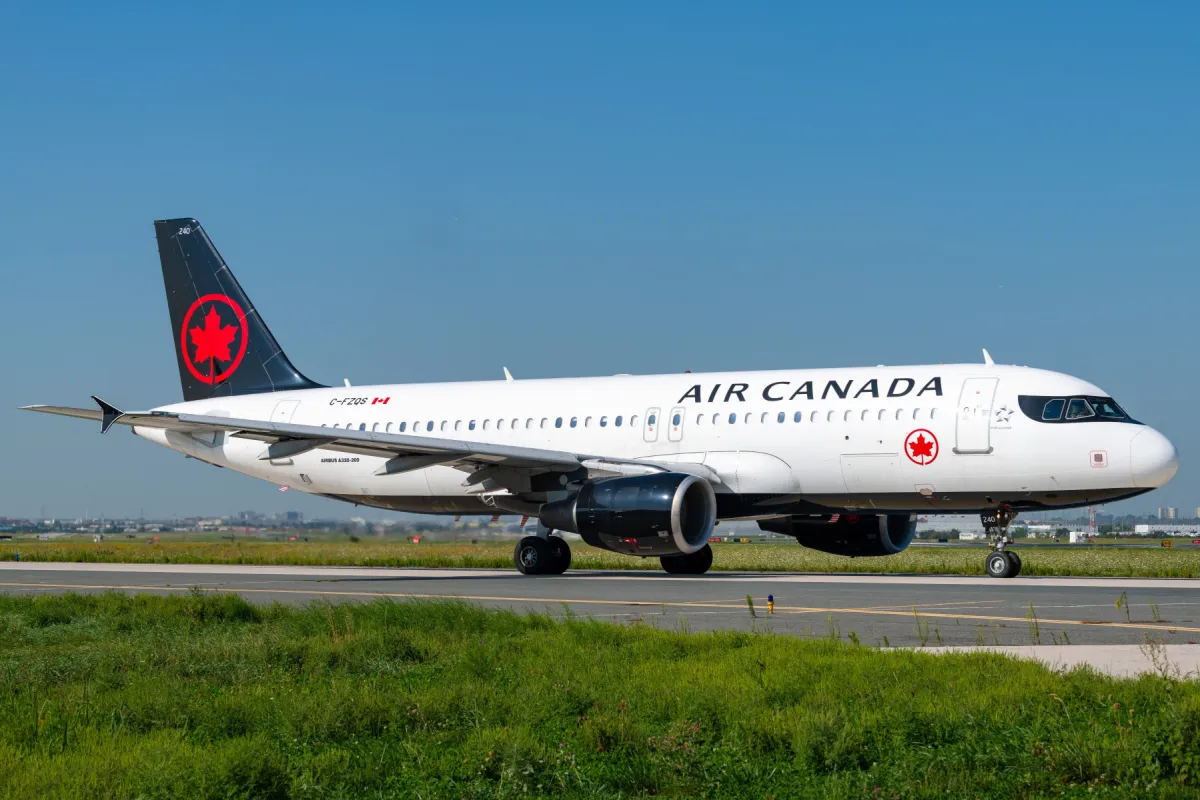
Air Canada Aeroplan Super Elite is the structural top of the published Aeroplan ladder and the airline's most premium recognition. It requires 125,000 Status Qualifying Credits in a calendar year under the revenue-based SQC framework Aeroplan adopted on 1 January 2026, replacing the retired 100,000-SQM threshold and the SQS and SQD requirements that sat alongside it.
Chasing this status across other programmes too? Most frequent flyers hold status with more than one airline or hotel. See our guide to tracking and keeping elite status across every programme, then let Miles Mosaic forecast whether your booked trips will requalify you, with no loyalty password required.
The reading on Super Elite in 2026 is that it became meaningfully more exclusive. The old ladder put the top tier 25,000 SQM above 75K; the new one puts it 50,000 SQC above, so the marginal commitment doubled in a single overhaul. This guide covers what Super Elite delivers per the Aeroplan elite status tiers page, how the SQC qualification mechanics actually work, and whether the tier still earns its structural commitment.
| Tier | Qualification threshold | Star Alliance equivalent | Tracker |
|---|---|---|---|
| Aeroplan 25K | 25,000 SQC | Star Alliance Silver | Read |
| Aeroplan 35K | 35,000 SQC | Star Alliance Silver | Read |
| Aeroplan 50K | 50,000 SQC | Star Alliance Gold | Read |
| Aeroplan 75K | 75,000 SQC | Star Alliance Gold | Read |
| Aeroplan Super Elite | 125,000 SQC | Star Alliance Gold |
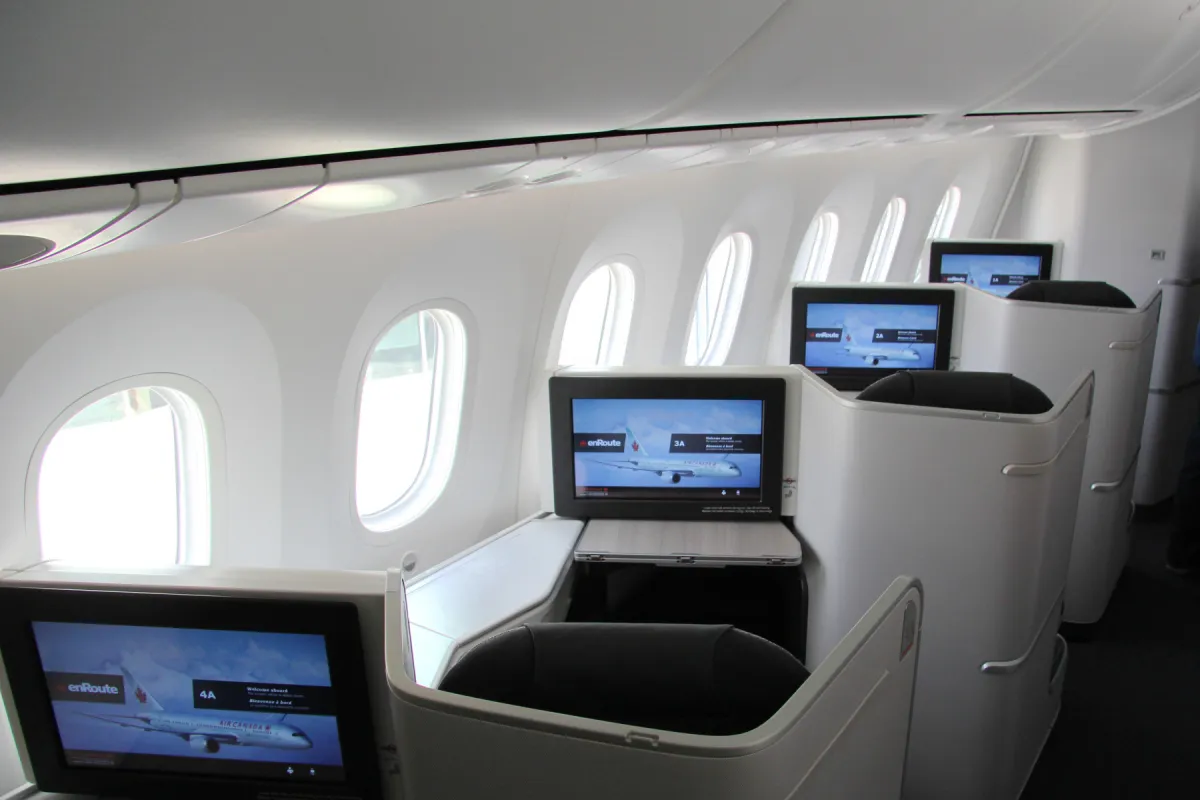
Super Elite earns at a 6x Aeroplan points multiplier on Air Canada flights, one full multiplier above the 5x rate at 75K and the highest in the programme. Across a heavy year of paid Air Canada flying that uplift compounds into a substantial additional points balance, useful as feedstock for the most aspirational Air Canada Signature Class and Star Alliance partner business and first class redemptions.
The eUpgrade allocation at Super Elite is 30 credits per status year, up from 20 under the legacy programme and ten above the 75K allotment. Super Elite is also the only tier with the eUpgrade Nominee programme, which lets a member designate one friend or family member who can spend the Super Elite's eUpgrades without the account holder travelling on the booking. For members whose partners fly the same network without their own status, the Nominee benefit is frequently the single most valuable line in the package.
Air Canada Concierge service is the other genuine Super Elite exclusive. Concierge agents handle rebooking during irregular operations, seat and upgrade problems, and complex itinerary changes through a dedicated channel rather than the general elite phone queue, and meet members at major hubs. The practical value shows up on the worst travel days rather than the routine ones, which is exactly when it matters most.
Super Elite also takes complimentary Preferred Seats to their widest scope in the programme: selectable at booking on all fares and all flights, including Economy Basic, where 75K stops short of Basic. It adds complimentary changes and cancellations on most fares, complimentary beverage and snack service in Air Canada Economy, Maple Leaf Lounge Arrivals Lounge access at London Heathrow, and the top of the complimentary upgrade queue, which is the highest clearance rate any Aeroplan tier sees on competitive routes.
Everything from 75K carries forward: Star Alliance Gold status with comprehensive partner lounge access, unlimited Maple Leaf Lounge access at Air Canada hubs, three complimentary checked bags at 32kg each, complimentary same-day standby and changes, and priority handling at every Air Canada touchpoint. Priority Rewards, the 50% discount on the points price of an eligible flight reward, extend to business class at Super Elite, where 75K members are limited to economy and premium economy.
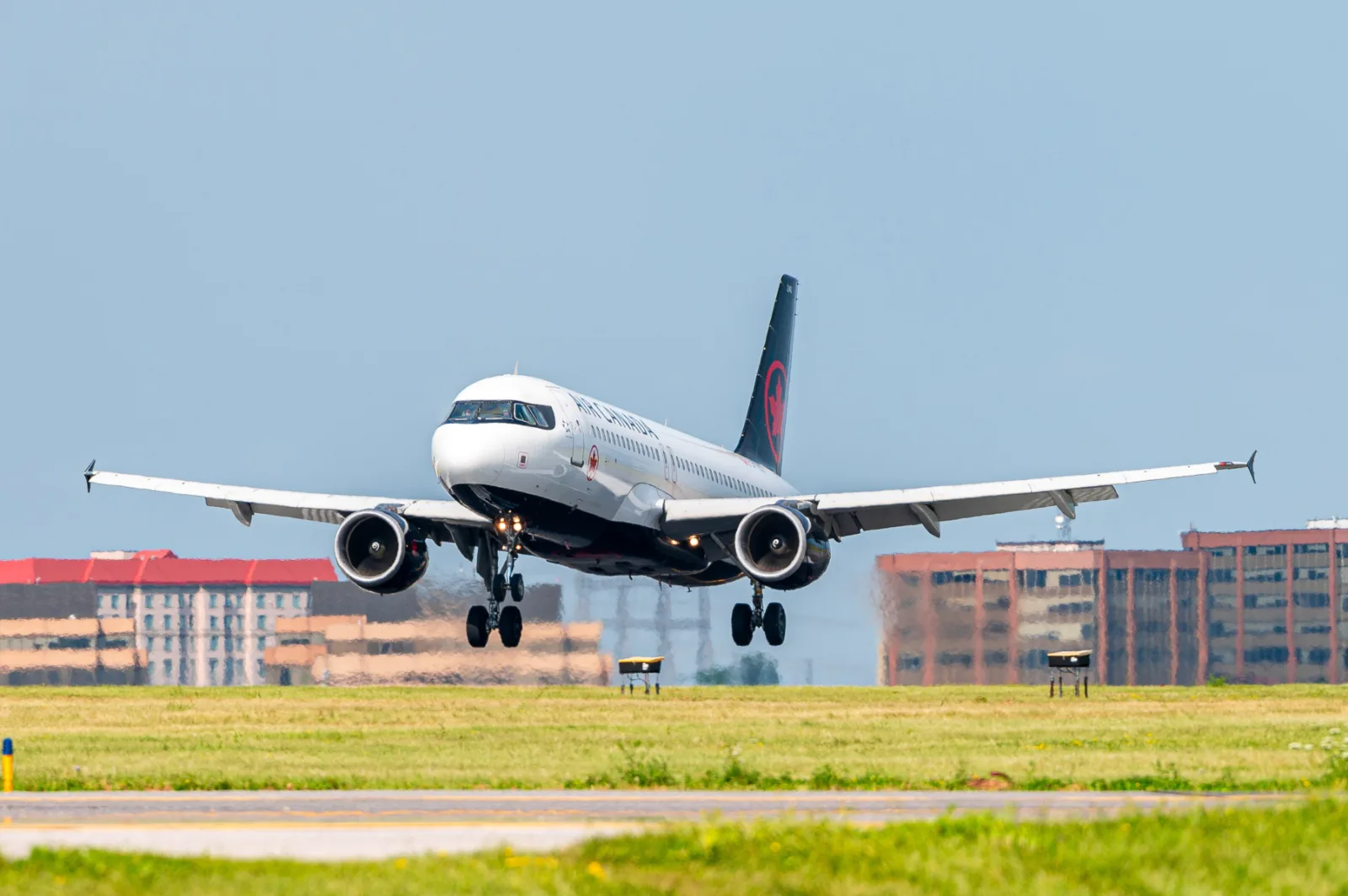
Aeroplan Super Elite requires 125,000 Status Qualifying Credits in a calendar year. The legacy SQM, SQS and SQD framework was retired for travel on or after 1 January 2026, and the entire elite ladder now runs on the single SQC metric. There is no longer a segment count to satisfy and no longer a separate spend floor to clear.
How SQC is earned on Air Canada. Flex fares and above, which includes Comfort, Latitude, Premium Economy and Signature Class, earn 4 SQC per CAD$1. Standard fares and eUpgrade add-ons earn 2 SQC per CAD$1. Air Canada Vacations packages earn 1 SQC per CAD$1. Economy Basic earns nothing at all, a detail that catches out travellers whose corporate travel policy defaults to the cheapest bucket. Credits accrue on the base fare and carrier surcharges, excluding taxes, fees and third-party charges. Clearing Super Elite from paid Air Canada flying alone takes roughly CAD$31,250 of Flex+ ticketing or CAD$62,500 of Standard ticketing.
How SQC is earned elsewhere, and where it stops. Star Alliance flights ticketed by Air Canada (ticket number starting 014) earn like Air Canada's own: 2 SQC per CAD$1 on Economy Standard fares and 4 per CAD$1 on Economy Flex fares and above, with no cap. Two other sources are capped. Star Alliance flights on another airline's ticket earn 1 SQC per 5 Aeroplan points, within a 25,000 SQC per calendar year limit shared with Aeroplan's travel and everyday partners, and Canadian-issued premium Aeroplan credit cards earn 1,000 SQC per CAD$5,000 spent, under a 25,000 SQC cap shared by every Aeroplan card and issuer. Those two caps are the defining structural fact of Super Elite qualification. A member who fully saturates both still holds only 50,000 SQC, or 40% of the threshold, and must find the remaining 75,000 SQC from uncapped earning: Air Canada flights, Star Alliance flights on Air Canada tickets, or Air Canada Vacations packages. Air Canada left its own tickets and its own metal uncapped, so heavy flyers on either earn SQC without limit.
The qualification year runs the calendar year, 1 January to 31 December. Super Elite earned in 2026 is valid through the end of 2027, the standard Aeroplan runway of roughly 14 months.
| Metric | Aeroplan Super Elite requirement (2026 SQC framework) |
|---|---|
| SQC required | 125,000 (raised from 100,000 SQM under the retired framework) |
| Earning on Flex fares and above | 4 SQC per CAD$1 (Flex, Comfort, Latitude, Premium Economy, Signature Class) |
| Earning on Standard fares | 2 SQC per CAD$1, including eUpgrade add-ons |
| Earning on Air Canada Vacations | 1 SQC per CAD$1 of package spend |
| Earning on Economy Basic | None |
| Star Alliance flights ticketed by Air Canada (014) | 2 SQC per CAD$1 on Economy Standard, 4 SQC per CAD$1 on Economy Flex and above; no cap |
| Star Alliance flights on another airline's ticket | 1 SQC per 5 Aeroplan points; capped at 25,000 SQC annually, shared with travel and everyday partners |
| Aeroplan card earning | 1,000 SQC per CAD$5,000 spent; capped at 25,000 SQC annually |
| Spend equivalent (Flex+ fares) | ~CAD$31,250 to clear Super Elite from Air Canada flying alone |
| Spend equivalent (Standard fares) | ~CAD$62,500 to clear Super Elite from Air Canada flying alone |
| eUpgrade allotment | 30 credits per status year (up from 20 under the legacy programme) |
| Aeroplan points multiplier | 6x base fares and surcharges on Air Canada flights |
| Qualification period | Calendar year (Jan–Dec) |
The headline change is the threshold itself. Super Elite moved from 100,000 SQM to 125,000 SQC, and because the 75K tier held its nominal number, the gap between the top two tiers grew from 25,000 to 50,000. Aeroplan's stated intent was to make Super Elite more exclusive, and on the arithmetic it plainly worked.
The second change is that qualification became purely revenue-driven. Under SQM, a traveller who flew long distances on cheap fares could accumulate qualifying miles efficiently, and the SQD floor was the only spend check. Under SQC there is no distance component at all, so a discounted transatlantic Economy Basic ticket that once produced thousands of SQM now produces zero credits. Mileage runs are structurally dead at the top of the Aeroplan ladder.
The third change is the hard annual caps on partner and card earning. The legacy framework let partner flying and co-brand spend feed the SQM, SQS and SQD requirements in different proportions; SQC replaces that with two flat 25,000-credit ceilings, one for cards and one for partner earning. The partner ceiling depends on the ticket: Star Alliance flights ticketed by Air Canada (ticket number starting 014) earn fare-based SQC outside it. Members whose Aeroplan engagement skews toward Star Alliance partners will find Super Elite materially further out of reach in 2026 than the nominal threshold change alone suggests if the partner airlines issue those tickets; on Air Canada tickets the same flying earns at Air Canada's own rates.
Your Air Canada Aeroplan forecast
Chasing or holding Aeroplan Super Elite? Enter what you have so far and see where you land. It runs in your browser; nothing is sent anywhere until you choose to save it.
Thresholds verified 2026-08-12. Source Qualification window: 1 January to 31 December.
Aeroplan 25K is also reachable without SQC: 100,000 Everyday Status Qualification points (EDQ) in a calendar year, at 1 EDQ for each eligible Aeroplan point earned with partners
Aeroplan 75K at 75,000 SQC is 50,000 SQC below Super Elite, and the benefit step between them is concentrated in personal service, upgrade firepower and exclusive-facility access. 75K carries the 5x earning multiplier, 20 eUpgrade credits, Preferred Seats on all fares except Basic, and second-tier upgrade priority. Super Elite adds the 6x multiplier, 30 eUpgrades, the eUpgrade Nominee benefit, Concierge service, Preferred Seats including on Basic, complimentary changes and cancellations on most fares, Heathrow Arrivals Lounge access, business-class Priority Rewards, and the top of the upgrade queue.
That is a real step, but it now costs twice what it used to relative to 75K. For travellers whose Air Canada flying naturally clears 125,000 SQC, Super Elite is the correct ceiling and the Nominee benefit alone often justifies the position. For travellers landing in the 75,000 to 110,000 SQC band, 75K captures most of what matters at a substantially lower qualification cost, and stretching for the top tier means buying roughly CAD$12,500 of additional Flex+ tickets purely for status.
There is no published tier above Super Elite. Air Canada operates an invitation-only super-premium recognition framework for customers whose engagement well exceeds Super Elite thresholds, conferred at Air Canada discretion and not reachable through any published qualification path. Milestone Benefits do continue above the tier line, unlocking at every 10,000 SQC through 200,000 and every 20,000 SQC beyond that.
Take a Vancouver-based senior executive whose role drives premium-cabin travel roughly three weeks a month, ten months a year. Three Asia round-trips in Signature Class at CAD$6,800 each contribute CAD$20,400 of Flex+ spend, or 81,600 SQC. Two Europe Signature Class round-trips at CAD$5,500 each add CAD$11,000, or 44,000 SQC. That pair of line items alone reaches 125,600 SQC and clears Super Elite before any domestic flying is counted.
Now soften the pattern. Drop to two Asia round-trips (54,400 SQC) and one Europe round-trip (22,000 SQC), and the total falls to 76,400 SQC, comfortably past 75K but a long way short of Super Elite. Adding a fully saturated Aeroplan card cap (25,000 SQC on CAD$125,000 of card spend) and a fully saturated partner cap (25,000 SQC from Star Alliance flights on other airlines' tickets and everyday partners) brings the total to 126,400 SQC, just over the line. The structural insight is that the caps can finish a Super Elite run, but only for someone already earning heavily without a cap, in Air Canada premium cabins or on Star Alliance flights ticketed by Air Canada, and only if both caps are genuinely maxed.
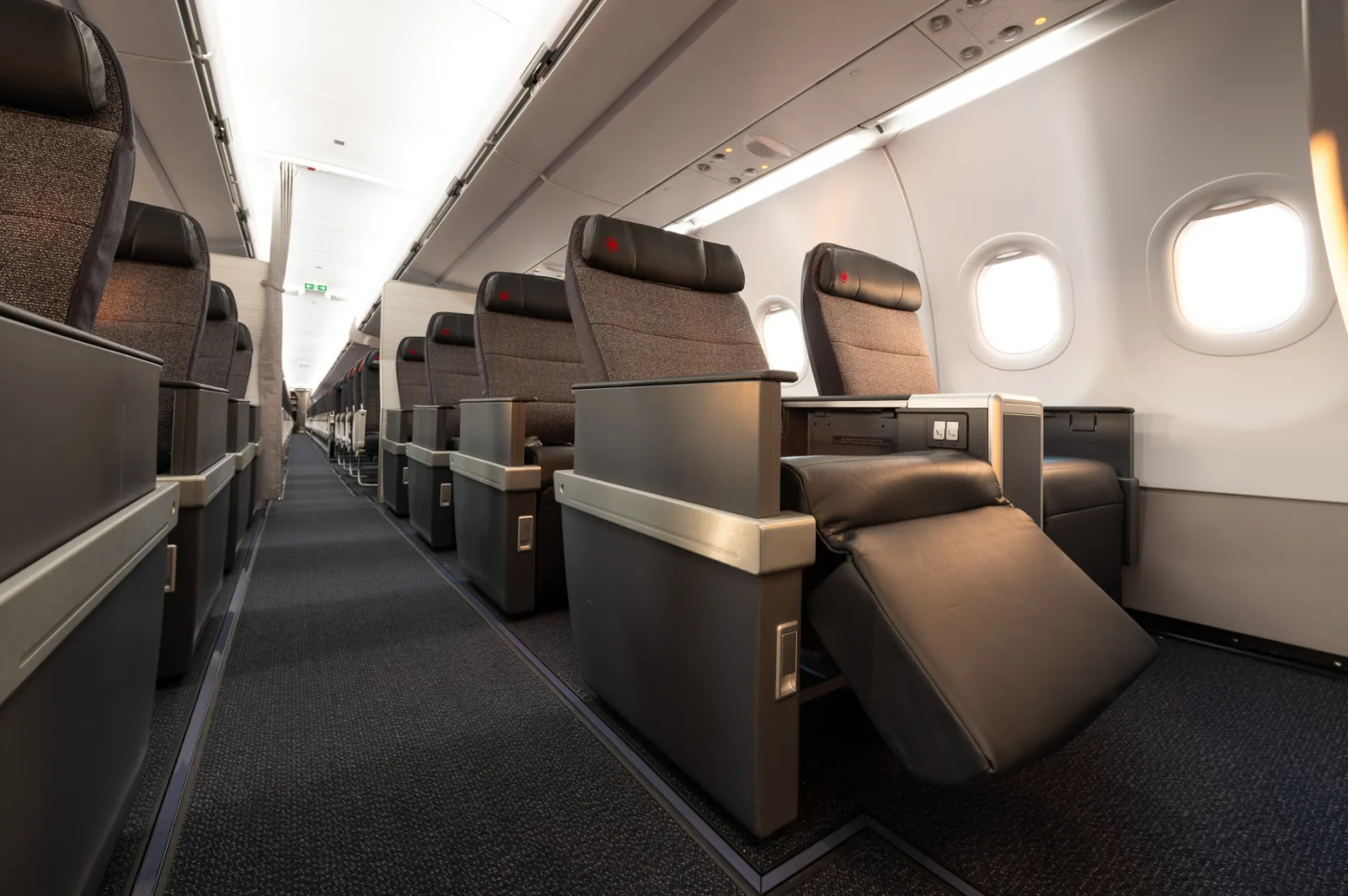
The 2026 framework unlocks selectable Milestone rewards at every 10,000 SQC through 200,000, then at every 20,000 SQC. A member reaching Super Elite passes twelve Milestone selection events on the way to 125,000, with more available if flying continues past the tier line.
Typical menu options include additional eUpgrade credits, Priority Rewards, Maple Leaf Lounge passes for guests, bonus Aeroplan points, status passes for sharing benefits, bonus SQC, and Air Canada gift cards. Air Canada documents the selection menu, timing and threshold eligibility on its Milestone Benefits page.
Super Elite selection strategy differs from the lower tiers because the base eUpgrade allotment is already 30 credits, so marginal eUpgrade selections deliver less utility than they do at 50K or 75K. The stronger pattern is Priority Rewards, whose 50% discount is worth the most at Super Elite precisely because it extends to business class, where a long-haul partner redemption discount can save 50,000 or more Aeroplan points on a single ticket. Members who take their selections early in the year rather than deferring to December generally see better menus.
The first surprise is Economy Basic earning nothing. Under SQM, even a deeply discounted fare produced qualifying miles proportional to distance. Under SQC, a Basic ticket contributes zero credits no matter how far it flies. Travellers on corporate policies that default to the lowest bucket can complete a heavy travel year and find their SQC balance far below where their flying volume suggests it should be.
The second is the cap arithmetic. Members read "up to 25,000 SQC from Aeroplan credit cards" and "up to 25,000 SQC from Aeroplan partners" and mentally add 50,000 to their expected total, forgetting that the caps are annual maximums requiring roughly CAD$125,000 of card spend and heavy partner earning to actually reach, and that Star Alliance flights ticketed by Air Canada (ticket number starting 014) never fill the partner cap because they earn uncapped SQC from the fare. Partial saturation is the norm, and the gap that leaves has to be closed with uncapped earning late in the year, on Air Canada tickets or Air Canada Vacations packages at whatever prices are then available.
The third is eUpgrade clearance at the top of the queue. Super Elite sits above every other tier on the upgrade list, but the queue is deepest on exactly the routes Super Elites fly most, so competition is against other Super Elites rather than lower tiers. The reliable upgrade currency remains the 30 eUpgrade credits and Priority Rewards selections, deployed on routes where the cash differential between Premium Economy and Signature Class is largest, rather than reliance on complimentary clearance.
Super Elite is where heavy Air Canada flying receives the most premium recognition the programme offers, and the 2026 overhaul sharpened both the reward and the price of entry. The 6x multiplier, 30 eUpgrades, the eUpgrade Nominee benefit, Concierge service, Preferred Seats on every fare including Basic, business-class Priority Rewards and the top of the upgrade queue combine into a package meaningfully better than 75K. The cost is a 125,000-SQC threshold, up from 100,000 SQM, which now sits a full 50,000 credits above 75K rather than 25,000. With card earning and partner earning on other airlines' tickets capped at 25,000 SQC each, at least 75,000 SQC has to come from uncapped earning on top of both saturated caps: roughly CAD$18,750 of Flex+ fares, whether those buy Air Canada flights or Star Alliance flights ticketed by Air Canada, or Air Canada Vacations packages at 1 SQC per CAD$1. For travellers whose work naturally produces that volume in premium cabins on Air Canada tickets, Super Elite remains the right ceiling. For everyone else, 75K is now the rational stopping point, and it is a more durable destination than it used to be. Track your SQC toward Super Elite free with Miles Mosaic.
Programme rules verified against the official sources below. External sites open in a new tab.
See your requalification forecast in under a minute. No account, and never a loyalty password.
Forecast my status, free →Share
Last reviewed: · How we research and update
When does each airline and hotel programme’s qualification year reset? A 2026 reference covering calendar-year, April–March, personal-perio…
Read article →Air Canada Aeroplan 75K in 2026: 75,000 SQC qualification, expanded Priority Rewards, top of Star Gold elite tier.
Read article →Air Canada Aeroplan 50K in 2026: 50,000 SQC qualification, Star Alliance Gold, and Maple Leaf Lounge access at AC hubs.
Read article →Star Alliance in 2026: the 26-airline roster, falling to 25 when Asiana leaves in December, Gold benefits, and the best programmes to hold.
Read article →